

Hiking Fitness for Beginners: How to Train for the Trail
Trail Notes
- A hiking training plan builds strength, endurance, and confidence.
- Focus on leg workouts, cardio, and mobility 3–4 times per week.
- Gradually increase your fitness level before your first day hike or backpacking trip.
- Training prevents injuries, improves stamina, and makes hiking more enjoyable.
- Preparation transforms the trail from a challenge into an adventure.

Hiking Training Plan for Beginners: How to Get in Shape for Your First Hike
For many new hikers, that first trail feels like a wake-up call. The steep climb, shifting terrain, and weight of your pack quickly reveal where your fitness gaps are. Hiking challenges your body in unique ways — blending strength, balance, endurance, and coordination all at once. The good news is, you can train for it. A simple hiking fitness plan will help you get in shape, prevent injuries, and enjoy every mile with confidence.
This guide outlines how to train for hiking through a mix of cardio, leg workouts, and mobility exercises designed for real people, not professional athletes. You’ll learn how to build a strong foundation, improve endurance, and prepare your body for elevation gain, backpack weight, and long trail days.
Whether your goal is your first local day hike or one day hiking the Appalachian Trail, these beginner training tips will help you prepare safely and sustainably. You’ll strengthen your muscles, improve your breathing, and train smart — so every step forward brings you closer to the confidence and freedom of the open trail.
Why Training Before Hiking Prevents Injuries
- Training before hiking improves strength, endurance, and trail confidence.
- Prevents beginner hiker injuries such as sore knees, ankle sprains, and fatigue.
- Builds balance and joint stability for uneven ground.
- Increases cardiovascular fitness for steep climbs.
- Turns preparation into enjoyment, not exhaustion.

Hiking without preparation often leads to soreness or frustration—but a short, consistent training plan changes everything. Beginner hikers who take time to train before their first trail reduce fatigue, protect joints, and avoid the injuries that derail early progress. A hiking training plan doesn’t have to be complex; even simple leg and cardio exercises build endurance and confidence.
Building strength in your legs and core gives you stability on rocky or uneven terrain, while regular aerobic training conditions your heart and lungs for longer hikes. Bodyweight movements such as squats, lunges, and step-ups prepare your muscles for elevation gain and backpack weight (REI Hiking Training Guide).
The National Park Service notes that progressive training—adding time or incline slowly—protects tendons, boosts coordination, and prevents strain on your knees and ankles (NPS Trail Safety Tips). Think of each workout as tuning your “trail engine.” The stronger and more balanced you become, the safer and more enjoyable every hike feels.
Build Strength and Stability for Hiking Success
- Leg strength is the foundation for every safe, confident hike.
- Strong core muscles improve balance and posture when carrying pack weight.
- Functional strength training prevents falls and joint strain.
- Bodyweight exercises like squats and lunges mimic real trail movement.
- A consistent training schedule helps beginner hikers build endurance gradually.

Strong legs and a stable core form the backbone of hiking fitness. Before increasing mileage or tackling steep elevation, beginner hikers should focus on strength-building exercises that translate directly to the trail. Training your legs, hips, and core doesn’t just prepare you for climbs—it prevents fatigue and injuries during long descents.
A balanced hiking training plan should include squats, lunges, step-ups, and planks—movements that teach your body to stay steady on uneven terrain (REI Hiking Training Guide). The National Park Service emphasizes core stability and proper posture as key factors for preventing lower back pain during backpacking trips (NPS Exercise and Conditioning for Hikers).
Start small: two to three sets, three times a week. Add light resistance gradually—such as wearing your daypack—to simulate real hiking conditions. Strength training for hiking isn’t about lifting heavy; it’s about moving efficiently and building stability from the ground up.
Phase 1 — Cardio Conditioning for Trail Stamina
Trail Notes for Skimmers
- Heart and lung conditioning powers every climb and descent.
- Aerobic work enhances stamina, pacing, and recovery efficiency.
- Walking, cycling, and hill intervals prepare the body for real terrain.
- Three to four weekly sessions develop stamina safely for newcomers.
- Gradual progress keeps you energized and prevents burnout.

Once your strength foundation feels steady, it’s time to focus on cardiovascular conditioning—the system that sustains you on long trails. This first phase of your fitness program centers on consistent movement that increases stamina while maintaining comfort. Regular aerobic sessions improve circulation, expand lung capacity, and make uphill efforts feel smoother and more controlled.
Begin with brisk walking or light cycling for 20–30 minutes, then introduce gentle inclines or stair intervals to simulate real-trail effort (REI Trail Conditioning Guide). The National Park Service suggests using a “talk-test pace”—moving fast enough to deepen breathing yet still able to hold a conversation (NPS Trail Fitness Tips). As your comfort improves, extend time or elevation by about 10 percent each week to maintain healthy progression.
Aim for three to four conditioning days each week, alternating with light mobility or flexibility work. This balanced cardio routine develops the aerobic base that supports longer weekend adventures, short backpacking trips, and future summits—helping you travel farther with confidence and less fatigue.
Phase 2 — Interval Training and Endurance Exercises
- Interval conditioning increases stamina and cardiovascular strength.
- Short bursts of effort followed by recovery mimic real trail demands.
- Builds leg power for steep climbs and downhill control.
- Adds variety and challenge to prevent fitness plateaus.
- Improves overall pacing and breath control for longer adventures.

Once you’ve developed a steady cardio base, it’s time to elevate your routine with interval conditioning. This next phase builds endurance by alternating higher-intensity bursts with short recovery periods, teaching your body to handle quick changes in terrain and elevation.
Try alternating one minute of brisk walking or hill climbing with two minutes of slower recovery movement. Repeat this pattern for 20–25 minutes, adjusting incline or speed as your stamina improves (REI Endurance Conditioning Guide). The National Park Service encourages trail-specific training, noting that even short hill sprints or stair sessions improve cardiovascular efficiency and strengthen stabilizing muscles (NPS Trail Fitness and Safety).
Add simple resistance moves—like step-ups, squats, or lunges—between rounds for a full-body challenge. Over time, reduce rest intervals slightly to increase your aerobic capacity and maintain consistent breath control.
Stick to this routine two to three times per week alongside light mobility or stretching days. These short, focused sessions are one of the most efficient ways to build endurance and mental resilience—skills that carry you through every incline, descent, and unexpected detour.
Phase 3 — Trail-Specific Strength and Conditioning
Trail Notes for Skimmers
- Trail-simulation workouts bridge gym training and real-world hiking.
- Carrying a light pack improves posture, stability, and balance.
- Mixed-terrain conditioning boosts joint resilience and coordination.
- Core-focused circuits prepare the body for elevation and long treks.
- Consistency—not intensity—is what builds lasting trail readiness.
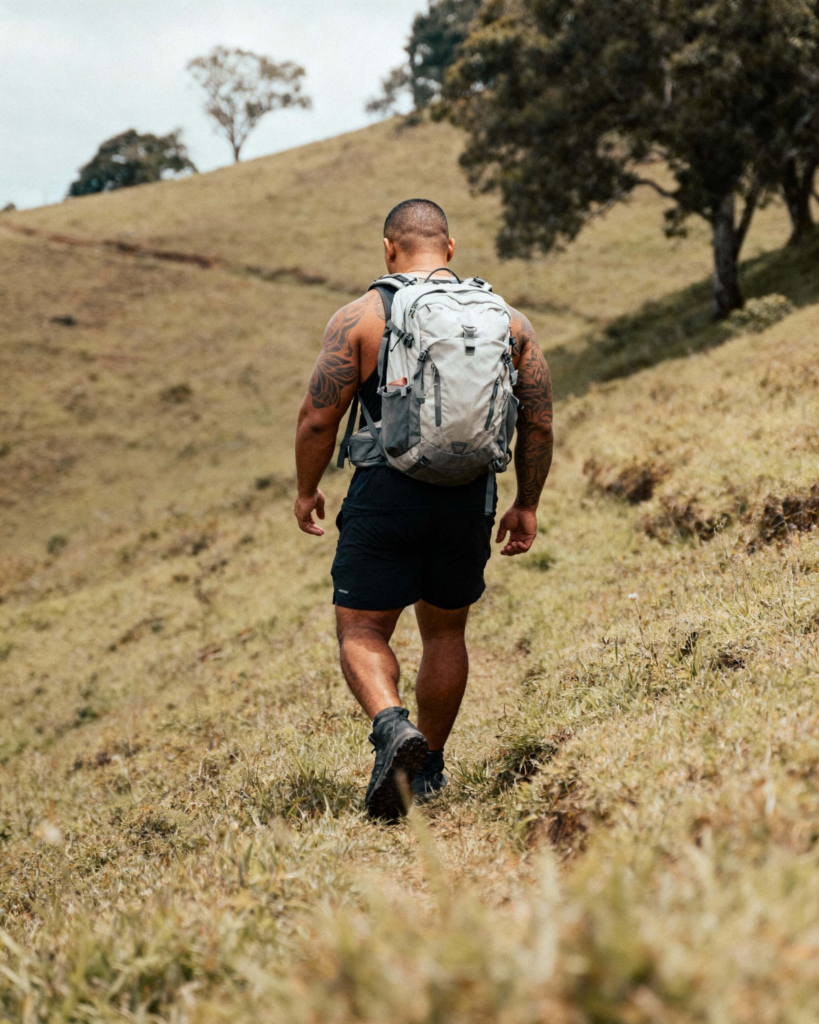
Once your foundational conditioning feels solid, it’s time to merge everything you’ve practiced into trail-specific movement. This final phase connects strength, stamina, and mobility into one cohesive routine that mirrors the demands of outdoor travel.
Sample Trail-Simulation Sessions
- Loaded Pack Walks: 45–60 minutes over rolling ground to simulate carrying essentials.
- Incline Repeats: Climb short hills in steady rhythm, focusing on breath control and stride efficiency.
- Mixed-Terrain Circuits: Combine pavement, dirt, and grass walking to challenge balance and joint stability.
- Functional Conditioning: Blend step-ups, squats, and lunges with light resistance for real-trail strength.
Experts at REI highlight progressive overload—slowly adding weight or distance—as the safest way to improve outdoor performance (REI Trail Conditioning Guide). The National Park Service recommends alternating surfaces and elevations to improve proprioception and reduce ankle strain (NPS Trail Training Tips).
Plan two to three of these sessions per week, resting at least a day between demanding workouts. Each outing fine-tunes coordination, stamina, and trail awareness—transforming gym strength into real-world capability for future backpacking adventures.
Stretching and Recovery — Essential Hiking Fitness Tips
Trail Notes for Skimmers
- Recovery days are part of every smart training program.
- Stretching protects muscles, joints, and tendons from overuse.
- Mobility exercises improve circulation and reduce the risk of injury.
- Yoga, Pilates, or light weight training enhance flexibility and posture.
- Resting between training sessions keeps your current fitness level improving steadily.

Even if you’re new to hiking, recovery is not optional—it’s the foundation that supports every long hike or endurance training block. Many beginners underestimate how much rest the body needs to adapt. A good hiking workout plan should always include recovery, stretching, and active rest days to balance out tougher training exercises.
If you’re following a hiking-specific exercise routine, focus on the same muscles used during your trail conditioning: calves, quads, hamstrings, and hips. Dynamic stretches before activity improve mobility, while static stretches afterward help prevent tightness and soreness. The National Park Service recommends alternating hard and light training sessions to prevent fatigue and maintain a consistent training schedule (NPS Fitness and Recovery Tips).
Try yoga or Pilates once a week—both strengthen the core and improve balance. Foam rolling or massage helps with circulation and reduces muscle tension. Hiking groups and community classes are great ways to stay motivated and learn new recovery techniques from others preparing for their first backpacking trip.
The REI Hiking Guide also highlights sleep and hydration as overlooked recovery tools—both restore energy and keep your body primed for progress (REI Training Recovery Guide). Taking the time to plan your recovery ensures steady improvement and reduces the overall risk of injury, helping you fall in love with hiking for the long term.
How to Prevent Injuries and Improve Fitness Level
Trail Notes for Skimmers
- Injury prevention starts with consistent training and proper recovery.
- A hiking fitness plan should match your current fitness level.
- Proper form and pacing reduce stress on knees, ankles, and back.
- Cross-training adds balance between endurance and strength.
- Listening to your body prevents burnout and keeps progress steady.

For anyone new to hiking, the best way to stay healthy on the trail is to build strength, mobility, and awareness gradually. A balanced fitness plan does more than get you in shape—it minimizes the risk of injury while improving endurance and coordination.
Training Tips to Stay Injury-Free
- Warm Up Before Every Session: Dynamic stretches and light movement increase circulation before endurance training.
- Gradually Increase Difficulty: Small weekly progressions in your workout plan build resilience without strain.
- Check Trail Conditions: Adapting your exercise routine to weather, terrain, or elevation keeps your body safe.
- Focus on Form: Proper squats, lunges, and step-ups are key to maintaining joint integrity.
- Cross-Train: Include swimming, cycling, or light weight training for a rounded hiking program.
Both REI and the National Park Service emphasize that structured progression—building strength before adding mileage—is vital to reduce overuse injuries (REI Hiking Fitness Program; NPS Injury Prevention Guidelines). Hiking-specific strength work also helps stabilize the body under pack weight, making each step more controlled and efficient.
If you’re managing fatigue, remember: recovery days are part of your training schedule. Gentle mobility work, hydration, and adequate sleep are as important as any endurance training. Stick to a consistent training rhythm, and you’ll soon notice your stamina, balance, and overall trail confidence rising with every session.
Sample Hiking Training Plan (2-Week Schedule)
Trail Notes for Skimmers
- A structured two-week schedule builds endurance safely for new hikers.
- Alternating cardio, strength, and rest days balances your training load.
- Tracking sessions helps measure progress and prevent burnout.
- Consistency beats intensity—listen to your body each week.
- This hiking program fits most fitness levels and adapts easily for longer goals.

Training for hiking doesn’t have to be complicated—just consistent. A simple two-week hiking program helps you get in shape while teaching your body how to recover efficiently. Each session mixes endurance training, body-weight conditioning, and rest to maintain steady progress.
Week 1 — Build Your Base
- Day 1: 25-minute brisk walk on flat terrain.
- Day 2: Strength session — squats, lunges, and step-ups (2 sets of 12).
- Day 3: Rest or gentle mobility work.
- Day 4: 30-minute walk with mild elevation gain; focus on breath control.
- Day 5: Core exercises — planks, bridges, side planks.
- Day 6: Short local trail hike wearing light hiking boots.
- Day 7: Full rest day; hydrate and stretch.
Week 2 — Increase Endurance and Confidence
- Day 1: Interval conditioning — 2 min fast / 2 min easy walking (30 minutes).
- Day 2: Combined strength and upper-body circuit — push-ups, rows, step-ups.
- Day 3: Yoga or light stretching; assess your current fitness level.
- Day 4: 40-minute outdoor walk or short trail outing with light pack weight.
- Day 5: Endurance training—longer walk or bike ride; gradually extend distance.
- Day 6: Functional training session — balance work, core, and hiking-specific moves.
- Day 7: Recovery day; review your progress and plan adjustments.
The REI Hiking Guide suggests repeating this cycle for eight weeks, increasing duration or intensity by 5–10 percent each round (REI Training Program). The National Park Service recommends checking trail conditions and elevation profiles before expanding your distance (NPS Trail Readiness Tips).
This type of short, repeatable fitness plan helps every new adventurer start hiking safely while developing confidence for their first backpacking trip. With time and steady effort, you’ll see measurable gains in stamina, balance, and overall readiness for longer treks.
Sample Hiking Training Plan (2-Week Schedule)
Trail Notes for Skimmers
- A structured two-week schedule builds endurance safely for new hikers.
- Alternating cardio, strength, and rest days balances your training load.
- Tracking sessions helps measure progress and prevent burnout.
- Consistency beats intensity—listen to your body each week.
- This hiking program fits most fitness levels and adapts easily for longer goals.

Training for hiking doesn’t have to be complicated—just consistent. A simple two-week hiking program helps you get in shape while teaching your body how to recover efficiently. Each session mixes endurance training, body-weight conditioning, and rest to maintain steady progress.
Week 1 — Build Your Base
- Day 1: 25-minute brisk walk on flat terrain.
- Day 2: Strength session — squats, lunges, and step-ups (2 sets of 12).
- Day 3: Rest or gentle mobility work.
- Day 4: 30-minute walk with mild elevation gain; focus on breath control.
- Day 5: Core exercises — planks, bridges, side planks.
- Day 6: Short local trail hike wearing light hiking boots.
- Day 7: Full rest day; hydrate and stretch.
Week 2 — Increase Endurance and Confidence
- Day 1: Interval conditioning — 2 min fast / 2 min easy walking (30 minutes).
- Day 2: Combined strength and upper-body circuit — push-ups, rows, step-ups.
- Day 3: Yoga or light stretching; assess your current fitness level.
- Day 4: 40-minute outdoor walk or short trail outing with light pack weight.
- Day 5: Endurance training—longer walk or bike ride; gradually extend distance.
- Day 6: Functional training session — balance work, core, and hiking-specific moves.
- Day 7: Recovery day; review your progress and plan adjustments.
The REI Hiking Guide suggests repeating this cycle for eight weeks, increasing duration or intensity by 5–10 percent each round (REI Training Program). The National Park Service recommends checking trail conditions and elevation profiles before expanding your distance (NPS Trail Readiness Tips).
This type of short, repeatable fitness plan helps every new adventurer start hiking safely while developing confidence for their first backpacking trip. With time and steady effort, you’ll see measurable gains in stamina, balance, and overall readiness for longer treks.
Personal Story — How I Trained After Burning Out on My First Hike
When you’re new to hiking, it’s easy to mistake excitement for readiness. On my first real adventure, I thought I was prepared. I had the gear list, snacks, and a can-do attitude—but no real conditioning routine. The steep climbs hit harder than I expected, my legs ached, and my lungs burned halfway through. It wasn’t just physical exhaustion—it was humbling.
After that experience, I decided to treat hiking like a long-term fitness journey rather than a one-time test. I created a simple workout plan using short, focused training sessions throughout the week—walking stairs, stretching before bed, and adding light resistance. I joined a local hiking group that shared advice, helped me improve my balance, and reminded me that every hiker starts somewhere.
As my endurance grew, so did my confidence. A few months later, I completed my first backpacking trip and started planning to hike a small section of the Appalachian Trail. Those moments taught me that progress isn’t about speed; it’s about steady, intentional movement forward.
Today, I still stick to a consistent training schedule, but I’m kinder to myself when rest days appear. Each trail—no matter how short—feels like another chance to reconnect with the community, test what I’ve learned, and remember how far I’ve come since that first burn-out.
Hiking Training Plan FAQ: Common Questions Beginners Ask Before Their First Hike
Q: How often should I train to get in shape for hiking?
Aim for three to four structured training sessions each week. A balanced fitness plan should include cardio, mobility, and hiking-specific strength work. As your current fitness level improves, increase the length or intensity gradually. The goal isn’t speed—it’s consistency. (REI Training Schedule Guide)
Q: What are the best training exercises for beginner hikers?
The most effective exercises for hiking focus on leg and core strength. Step-ups, squats, lunges, and planks all help stabilize your body on uneven ground. Add endurance training such as stair climbs, brisk walks, or cycling to improve stamina. (NPS Trail Fitness Tips)
Q: How long does it take to prepare for a long hike or first backpacking trip?
Most new hikers need six to eight weeks to feel confident on moderate trails. Follow a hiking program that combines a realistic exercise routine with regular recovery days. You’ll gradually build endurance, balance, and comfort carrying pack weight.
Q: Can I train indoors if I don’t live near hiking trails?
Yes! Many hikers follow a hiking-specific training plan indoors using treadmills, resistance bands, and lightweight gear. Focus on elevation simulations and core strength. Mixing gym workouts with mobility drills builds the same muscles used on real terrain.
Q: How do I prevent the risk of injury while training?
Always warm up before each session, stretch afterward, and progress gradually. Wearing supportive hiking boots and tracking your recovery days reduces overuse injuries. Check your gear list before long hikes to avoid strain from poor fit or pack imbalance.
Q: What if I’m new to hiking and feel out of shape?
You’re not alone—every hiker starts somewhere. Begin with a simple walking routine, join local hiking groups for motivation, and stick to a consistent training schedule. Even short daily walks help you start hiking safely and build confidence for bigger goals.
Q: How do I know if I’m ready for more challenging trails?
When your exercise routine feels manageable, your breathing stays steady, and you can carry light gear without fatigue, you’re ready to explore new terrain. Evaluate trail difficulty, elevation gain, and weather conditions before increasing distance. (REI Hiking Guide; NPS Trail Safety Recommendations)
Hiking Training Plan for Beginners: How to Get in Shape, Build Endurance, and Prepare for Your First Hike
In the world of outdoor wellness, preparation is more than a routine—it’s a promise to yourself and to the landscapes you explore. Every schedule, every stretch, and every moment spent building trail readiness is an act of respect: for your body, for nature, and for the people who will follow the same paths after you. True hiking fitness isn’t about perfection—it’s about progress made with awareness and care.
When adventurers commit to consistent practice, they build confidence that extends far beyond the trail. A thoughtful conditioning program teaches patience, balance, and mindfulness—the same qualities that make time outdoors restorative instead of exhausting. The strength gained through training is valuable, but the humility learned in nature is what lasts. Each journey, from a quiet local trail to a first backpacking trip, becomes a classroom where endurance meets perspective.
The greatest transformation happens when community replaces competition. Hiking groups, park volunteers, and mentors who share their experience create access for those who might otherwise feel unwelcome or unprepared. Outdoor fitness becomes advocacy when it empowers people of every background to explore safely and sustainably.
At Lafleur Media, we believe adventure and education walk hand in hand. By helping people prepare wisely and move with intention, we aim to strengthen the bridge between self-discovery and stewardship. Every stretch, every mile, and every act of preparedness is a step toward inclusion, resilience, and shared belonging—proof that when knowledge guides the way, adventure becomes an act of connection.